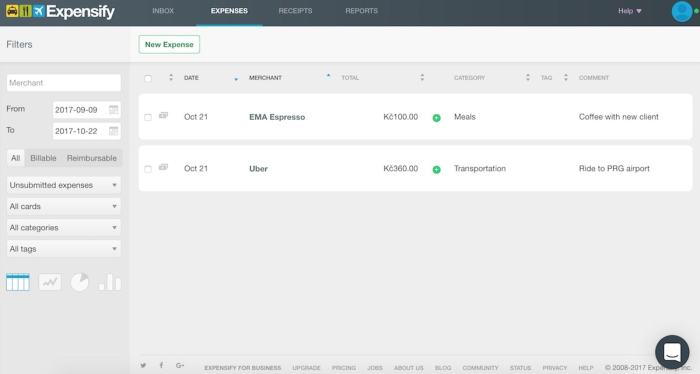
Starting with Travel Expense Tracking Apps, these innovative tools revolutionize how we handle travel expenses, ensuring efficient budget management and stress-free trips.
Exploring the key features and benefits of these apps will shed light on their importance in the realm of travel planning.
Travel Expense Tracking Apps
Travel expense tracking apps are a convenient tool for individuals and businesses to monitor and manage their expenses while traveling. These apps offer a range of benefits that make budgeting and financial management easier.
Benefits of Using Travel Expense Tracking Apps
- Real-time Expense Tracking: Travel expense tracking apps allow users to record expenses as they occur, providing a clear overview of spending.
- Receipt Management: Users can easily capture and store receipts digitally, eliminating the need for paper receipts and ensuring accurate record-keeping.
- Budget Monitoring: These apps help users set budgets for their trips and track expenses against these budgets, providing insights into spending habits.
- Expense Report Generation: Travel expense tracking apps can generate detailed expense reports, simplifying reimbursement processes for business travelers.
Managing Travel Budgets Effectively
- Setting Budget Limits: Users can establish spending limits for different categories such as accommodation, transportation, and meals to avoid overspending.
- Analyzing Spending Patterns: Travel expense tracking apps offer insights into spending patterns, allowing users to make informed decisions to optimize their budgets.
- Alerts and Notifications: Some apps send alerts when approaching budget limits or when unusual spending occurs, helping users stay on track.
Features to Look for in a Good Travel Expense Tracking App
- Multi-Currency Support: Ideal for international travelers, these apps should support multiple currencies for accurate expense tracking.
- Integration with Financial Tools: Look for apps that can sync with banking and accounting software for seamless financial management.
- User-Friendly Interface: A simple and intuitive interface makes it easier to input expenses and navigate through the app.
- Cloud Syncing: Apps that offer cloud syncing ensure that data is backed up securely and accessible across devices.
Travel Guides
Travel guides play a crucial role in trip planning by providing valuable information about destinations, attractions, accommodations, dining options, and more. They help travelers make informed decisions and maximize their travel experience.Traditional travel guides, such as printed books, have been a go-to resource for many years. They offer comprehensive information, maps, and tips for travelers to navigate new places. However, digital travel guides have become increasingly popular due to their convenience and real-time updates.
Comparison between Traditional and Digital Travel Guides
- Traditional travel guides: Offer in-depth content, maps, and recommendations. However, they can be bulky, quickly outdated, and not as easily accessible on the go.
- Digital travel guides: Provide instant updates, interactive maps, user reviews, and personalized recommendations. They are accessible on smartphones and tablets, making them more convenient for modern travelers.
Popular Travel Guide Apps and Websites
- 1. TripAdvisor: A well-known platform for travel reviews, recommendations, and booking options.
- 2. Lonely Planet: Offers digital guides and inspiring travel content for various destinations.
- 3. Google Maps: Not only for navigation but also provides reviews, photos, and information about places of interest.
- 4. Airbnb Experiences: Allows travelers to book unique tours and activities led by local guides.
Travel Blogs

Travel blogs are a valuable resource for travelers looking for inspiration, tips, and insights on various destinations around the world. They provide firsthand experiences, recommendations, and detailed guides that can help travelers plan their trips effectively.
Types of Travel Blogs
- Personal Travel Blogs: Written by individuals sharing their personal travel experiences, stories, and adventures.
- Destination Guides: Focused on providing detailed information about specific destinations, including attractions, accommodations, and local tips.
- Travel Tips and Hacks: Offer practical advice, budget-saving tips, and travel hacks to make the journey smoother and more affordable.
- Adventure Travel Blogs: Cater to adrenaline junkies and outdoor enthusiasts, featuring extreme sports, treks, and off-the-beaten-path adventures.
Finding Reliable Travel Blogs
When looking for reliable and informative travel blogs, consider the following tips:
- Check the Author’s Background: Look for blogs written by experienced travelers, travel experts, or locals with in-depth knowledge of the destination.
- Read Reviews and Recommendations: Pay attention to user reviews, recommendations, and ratings to gauge the credibility and reliability of the blog.
- Verify Information: Double-check facts, details, and recommendations provided in the blog with other sources to ensure accuracy.
- Engage with the Community: Join travel forums, social media groups, and online communities to get recommendations and feedback on popular travel blogs.
Travel Planning Tools: Travel Expense Tracking Apps
Travel planning tools are essential for organizing trips efficiently and effectively. These tools help streamline the trip planning process by providing users with all the necessary resources and information in one centralized platform. Whether it’s booking flights, accommodations, creating itineraries, or managing budgets, travel planning tools offer a wide range of features to make trip planning a breeze.
Features of Top-Rated Travel Planning Tools
- Flight and Accommodation Booking: Top-rated travel planning tools allow users to search and book flights, hotels, and rental cars all in one place. They often provide price comparisons and real-time updates to ensure users get the best deals.
- Itinerary Creation: These tools help users create detailed itineraries with activities, attractions, dining options, and more. Users can customize their schedules and access maps, directions, and important contact information.
- Budget Management: Travel planning tools offer budgeting features to help users track expenses, set spending limits, and monitor their overall travel costs. Some tools even provide currency conversion and expense categorization.
- Offline Access: Many top-rated travel planning tools offer offline access to important trip details, such as itineraries, maps, and reservation confirmations. This is especially useful when traveling to areas with limited internet connectivity.
- Travel Alerts and Notifications: Users can receive real-time travel alerts, flight updates, weather forecasts, and other important notifications to stay informed and prepared during their trip.
Travel Tips and Hacks
Traveling can be an exciting experience, but it can also be costly if not planned well. Here are some useful travel tips and hacks to help you save money, pack efficiently, and stay safe during your trips.
Save Money While Traveling
When it comes to saving money while traveling, consider the following tips:
- Avoid peak travel seasons to get better deals on flights and accommodations.
- Use travel rewards credit cards to earn points that can be redeemed for free flights or hotel stays.
- Book accommodations in advance to take advantage of early booking discounts.
- Eat like a local to save money on meals and experience authentic cuisine.
Packing Hacks for Efficient Travel
Efficient packing can save you time and hassle during your trip. Here are some packing hacks to consider:
- Roll your clothes instead of folding them to save space in your luggage.
- Use packing cubes to organize and compress your clothes for easy access.
- Bring versatile clothing items that can be mixed and matched for different outfits.
- Pack travel-sized toiletries to save space and comply with airline regulations.
Essential Safety Tips for Travelers
Staying safe should be a top priority when traveling to new destinations. Here are some safety tips every traveler should know:
- Keep your belongings secure by using anti-theft bags or wallets.
- Research the local customs and laws of the destination to avoid any cultural misunderstandings.
- Stay aware of your surroundings and trust your instincts if something feels off.
- Make copies of important documents like passports and travel insurance in case of emergencies.
Travel Gear and Packing
When it comes to traveling, having the right gear and packing efficiently can make a huge difference in your overall experience. Whether you’re embarking on a weekend getaway or a month-long adventure, choosing the right gear and packing smartly can help you stay organized and stress-free throughout your trip.
Must-Have Travel Gear
- Comfortable walking shoes: A pair of comfortable shoes is essential for exploring new destinations on foot.
- Travel adapter: Make sure you can charge your devices no matter where you are in the world.
- Packable rain jacket: Be prepared for unexpected weather changes with a lightweight and packable rain jacket.
- Reusable water bottle: Stay hydrated and reduce waste by carrying a reusable water bottle with you.
- Portable charger: Keep your devices powered up on the go with a portable charger.
Packing Techniques
- Carry-on packing: Packing light and efficiently for a carry-on can save you time and money on checked baggage fees. Roll your clothes to maximize space and consider using packing cubes to keep things organized.
- Checked luggage packing: If you’re checking a bag, make sure to distribute weight evenly and use packing cubes or compression bags to save space. Consider packing items like shoes and toiletries in plastic bags to prevent spills.
Tips for Packing Light
- Plan your outfits ahead of time to avoid overpacking.
- Choose versatile clothing items that can be mixed and matched.
- Minimize toiletries by opting for travel-sized containers or solid alternatives.
- Avoid packing unnecessary items by sticking to the essentials and leaving room for souvenirs.
Travel Inspiration
Travel inspiration can come from a variety of sources and play a significant role in shaping our travel decisions. It can be sparked by a stunning photograph, a compelling travel story, a recommendation from a friend, or even a desire to explore a new culture or cuisine.
Personal Stories of Inspiration
One of the most memorable travel inspirations I’ve had was hearing a friend’s recount of their solo backpacking adventure through Southeast Asia. The sense of freedom, cultural immersion, and personal growth they experienced ignited a desire within me to embark on a similar journey and create my own unforgettable memories.
Tips for Staying Inspired
- Follow travel influencers and bloggers on social media to constantly expose yourself to new destinations and travel experiences.
- Create a travel vision board with images and quotes that resonate with your wanderlust, serving as a visual reminder of your travel goals.
- Attend travel-related events, such as travel expos or cultural festivals, to immerse yourself in different cultures and fuel your desire to explore.
- Engage in local activities and day trips in your own city to satisfy your urge for adventure and discovery, even when not on a trip.
Solo Travel
Traveling solo can be a truly enriching experience, allowing you the freedom to explore at your own pace and discover more about yourself along the way. However, it also comes with its own set of benefits and challenges.
Benefits of Solo Travel
- Independence: You have the freedom to make decisions and create your own itinerary without having to compromise with others.
- Self-Discovery: Solo travel allows you to step out of your comfort zone, face challenges, and learn more about yourself.
- Flexibility: You can change plans on a whim, explore off-the-beaten-path destinations, and embrace spontaneity.
- Personal Growth: Overcoming obstacles and navigating unfamiliar territories can lead to personal growth and increased confidence.
Challenges of Solo Travel
- Loneliness: There may be moments of loneliness, especially during meals or when visiting popular tourist spots.
- Safety Concerns: Being alone can make you more vulnerable, requiring extra caution and vigilance, especially in unfamiliar places.
- Decision Fatigue: Having to make all the decisions on your own can be mentally exhausting at times.
- Cost: Accommodation and sometimes activities can be more expensive when traveling solo compared to splitting costs with others.
Safety Tips for Solo Travelers
- Research Your Destination: Familiarize yourself with the local customs, laws, and potential safety risks of the place you are visiting.
- Stay Connected: Keep loved ones informed of your whereabouts and check in regularly, especially when venturing into remote areas.
- Trust Your Instincts: If something feels off or uncomfortable, trust your gut and remove yourself from the situation.
- Blend In: Avoid drawing unnecessary attention to yourself by dressing modestly and respecting local customs.
- Be Prepared: Carry essential items like a first aid kit, emergency contacts, and copies of important documents.
Destinations for Solo Travelers
- Japan: Known for its safety, cleanliness, and efficient transportation system, Japan is a great destination for solo travelers.
- New Zealand: With its stunning landscapes, friendly locals, and abundance of outdoor activities, New Zealand is perfect for solo adventurers.
- Iceland: Explore the land of fire and ice with its breathtaking natural wonders, unique culture, and low crime rate, making it ideal for solo exploration.
- Portugal: Experience the rich history, vibrant culture, and warm hospitality of Portugal while feeling safe and welcomed as a solo traveler.
Family Travel
When it comes to planning successful family vacations, there are a few key tips to keep in mind. From choosing family-friendly activities and destinations to managing travel expenses, careful planning can make all the difference in creating memorable experiences for everyone.
Family-Friendly Activities and Destinations
- Look for destinations with a variety of activities suitable for all ages, such as theme parks, beaches, or national parks.
- Consider accommodations that cater to families, such as resorts with kids’ clubs or vacation rentals with multiple bedrooms.
- Plan activities that allow for quality family time, whether it’s exploring a new city, hiking a scenic trail, or enjoying a day at the beach.
- Research family-friendly attractions and events in advance to ensure there are plenty of options to keep everyone entertained.
Managing Travel Expenses with a Family
- Create a budget for your trip and stick to it by tracking expenses and looking for ways to save, such as booking flights and accommodations in advance or choosing all-inclusive packages.
- Consider meal planning to avoid overspending on dining out and pack snacks and reusable water bottles to save on food costs while exploring.
- Look for discounts and deals on activities and attractions, such as family passes or combo tickets, to make the most of your budget.
- Be flexible with your itinerary to take advantage of free or low-cost activities, such as visiting parks, museums with free admission days, or exploring nature trails.
Couples Travel
Traveling as a couple can be a wonderful experience that strengthens your bond and creates lasting memories. Whether you are planning a romantic getaway or an adventurous trip, there are many advantages to traveling with your partner. Here are some romantic travel ideas and tips for planning a memorable couples’ getaway.
Romantic Travel Ideas for Couples
- Explore a new city together and discover hidden gems.
- Plan a beach getaway and enjoy romantic sunset walks.
- Book a cozy cabin in the mountains for a private retreat.
- Take a road trip and stop at charming bed and breakfasts along the way.
- Embark on a cruise to exotic destinations and indulge in luxury together.
Advantages of Traveling as a Couple
- Shared experiences strengthen your relationship and create lasting memories.
- You can split the planning responsibilities, making it easier to create an itinerary that suits both of your interests.
- Traveling as a couple allows for intimate moments and quality time together away from the hustle and bustle of daily life.
- You have someone to share the excitement, challenges, and joys of travel with.
- Exploring new destinations together can deepen your connection and create new shared interests.
Tips for Planning a Memorable Couples’ Getaway
- Communicate openly about your travel preferences and expectations to ensure a smooth trip.
- Plan activities that you both enjoy and consider trying new experiences together.
- Surprise your partner with thoughtful gestures or romantic surprises during the trip.
- Take time to relax and unwind together, whether it’s at a spa, on the beach, or in a cozy hotel room.
- Capture special moments with photographs or keepsakes to remember your trip together.
Group Travel
Group travel can be a fantastic way to explore new destinations and create lasting memories with friends, family, or like-minded travelers. There are several benefits to traveling in a group, along with some tips for organizing group trips effectively and overcoming potential challenges.
Benefits of Group Travel
- Cost-sharing: Group travel can often lead to cost savings through shared expenses such as accommodation, transportation, and group discounts.
- Safety in numbers: Traveling in a group can provide a sense of security and support, especially in unfamiliar or remote locations.
- Social connections: Group travel allows for bonding and shared experiences with fellow travelers, creating opportunities for new friendships.
- Access to group activities: Some activities and tours may only be available to groups, providing unique experiences not easily accessible to solo travelers.
Tips for Organizing Group Trips Effectively
- Set clear expectations: Establish a budget, itinerary, and guidelines for behavior to ensure everyone is on the same page.
- Delegate responsibilities: Assign roles such as trip planner, navigator, and budget keeper to distribute tasks and prevent one person from bearing the entire burden.
- Communication is key: Keep open lines of communication with all group members to address any concerns, changes, or preferences throughout the trip.
- Flexibility: Be prepared for unexpected changes and be willing to adapt the itinerary based on group consensus and unforeseen circumstances.
Challenges in Group Travel and How to Overcome Them
- Conflicting preferences: Different group members may have varying interests and travel styles. Encourage compromise and flexibility to accommodate everyone’s preferences.
- Group dynamics: Personality clashes or disagreements can arise within a group. Address conflicts early on and promote open communication to maintain a harmonious atmosphere.
- Logistics and coordination: Managing a larger group can be challenging in terms of transportation, accommodation, and scheduling. Plan ahead and consider hiring a professional tour operator for complex logistics.
- Decision-making: Group decisions can sometimes be slow or contentious. Establish a democratic process for making choices and empower everyone to have a voice in the planning process.
In conclusion, Travel Expense Tracking Apps are indispensable for modern travelers, offering a seamless way to monitor and control expenses, ultimately enhancing the overall travel experience.
FAQ Explained
How do travel expense tracking apps benefit users?
Travel expense tracking apps help users monitor their expenses in real-time, track budgets effectively, and stay within financial limits during trips.
What features should I look for in a good travel expense tracking app?
Look for apps with expense categorization, receipt scanning, currency conversion, budget customization, and secure data encryption features for optimal functionality.
How can travel expense tracking apps assist in managing travel budgets effectively?
These apps provide detailed insights into spending patterns, alert users of overspending, and enable adjustments to ensure budget adherence throughout the trip.


